Going in for your first permanent makeup appointment can be a mix of excitement, nerves, and anticipation. Whether you're dreaming of softer brows, a more defined lash line, or naturally enhanced lips, knowing the process can make everything feel more manageable. At Real Brows Microblading & Permanent Makeup, we believe that understanding what to expect is key to feeling satisfied with the results. That’s why we emphasize consultations, realistic expectations, and proper aftercare just as much as the treatment itself.
Permanent makeup, often called semi-permanent because it fades over time, is all about enhancing your features for longer periods. Many people love it because it saves time in their daily beauty routine. Think about how much effort goes into perfecting brows, eyeliner, and lip color every morning. If you're considering options like microblading or lip blushing, this guide will walk you through what happens during the appointment, the healing process, touch-ups, and important questions to ask before booking.
In the sections below, you'll find out what the consultation includes, how mapping works, what the pigment application feels like, what healing really looks like, and how to prepare for the best results. We’ll also share practical tips, debunk common myths, and provide useful resources like our PMU pre-care instructions and aftercare guidance. For a general medical perspective on skin healing and infection prevention, the Centers for Disease Control and Prevention offers helpful information about hygiene and safety standards.
1. The Consultation: Your First and Most Important Step
Understanding your goals and facial features
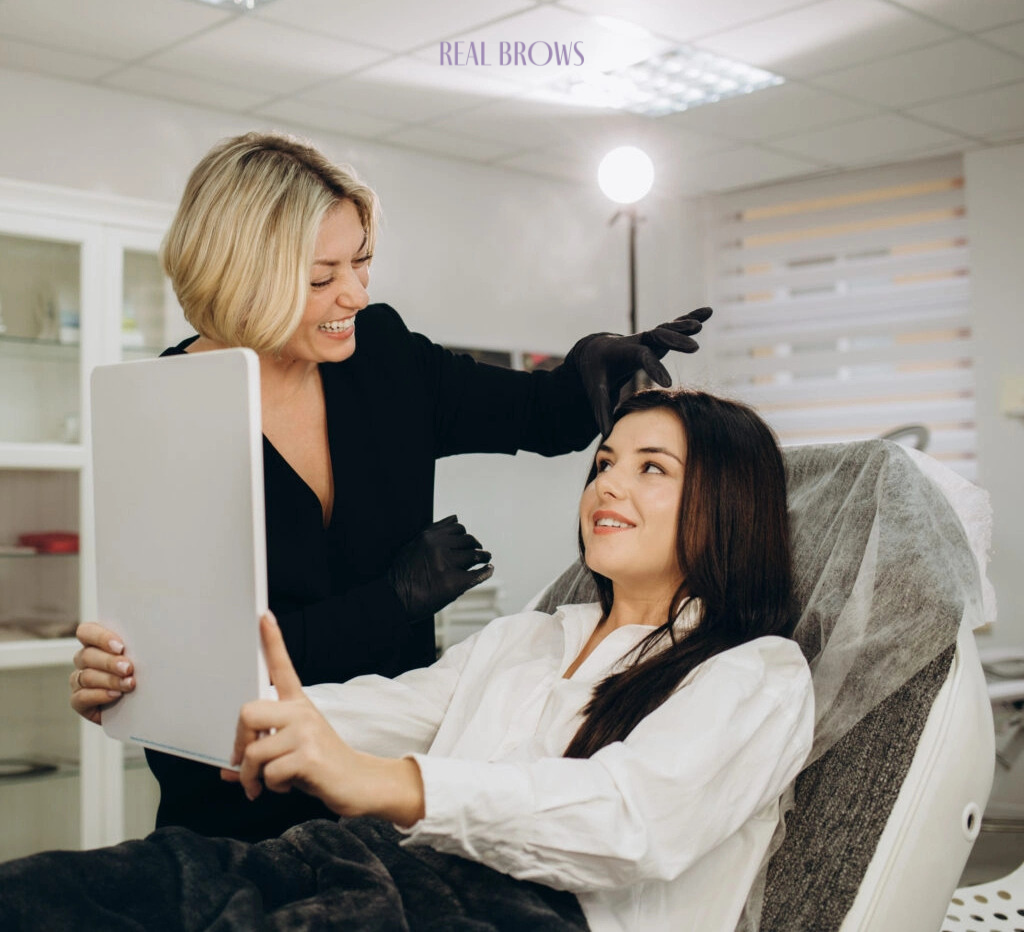
Your journey starts with a detailed consultation. This is where your artist learns what you want to enhance, your style preferences, and how much upkeep you're comfortable with. A good PMU artist will evaluate your bone structure, skin type, facial symmetry, and natural hair patterns to suggest the best technique because not every style suits every face.
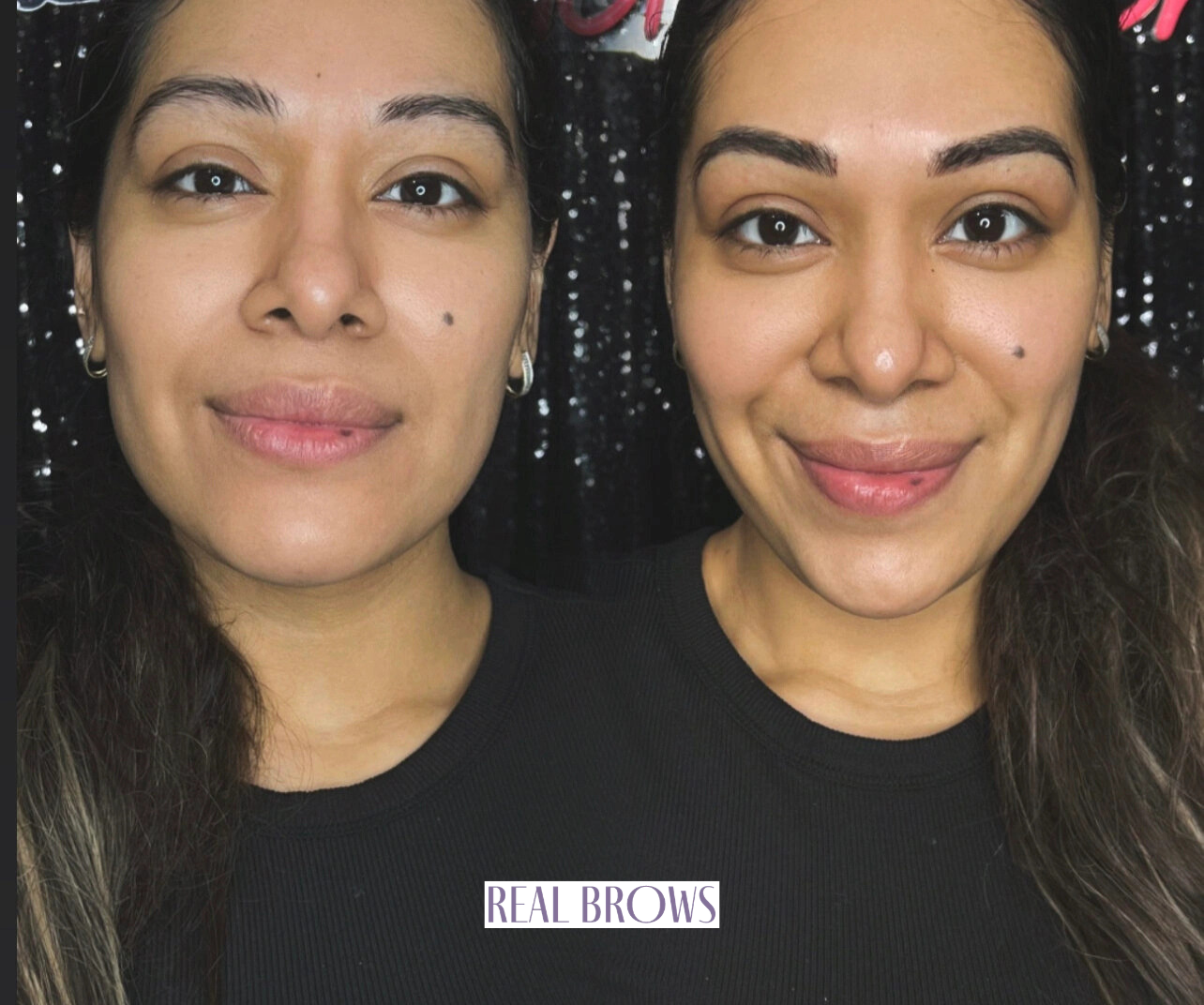
This step is crucial because personalization leads to the best outcomes. For instance, if you have oily skin, your artist might suggest a different brow technique than for someone with dry skin. That’s why options like nano brows and ombré powder brows are often discussed during the consultation. If you have older pigment or an uneven shape, brow correction might be the first step before adding any new color.
Questions your artist should answer
A good consultation shouldn't feel rushed. You should leave with clear answers about how long the procedure will take, healing time, any discomfort, how long it will last, and touch-up needs. It's also the right time to discuss medications, skin sensitivities, pregnancy or breastfeeding status, or any history of keloids and poor healing. For more on hygiene and cosmetic safety, the U.S. Food and Drug Administration's cosmetics page is a great resource for understanding how products and pigments are regulated.
At Real Brows, we're all about realistic expectations and honest communication. We want you to know that permanent makeup enhances your natural features but doesn't completely change your face. Understanding what's achievable usually makes clients feel more confident and satisfied with the result.
2. Mapping and Design: Seeing the Shape Before Pigment Is Applied
Why brow and lip mapping matters
After your consultation, the artist will move on to design and mapping. This is a valuable part of the appointment because it lets you see the final shape before any pigment is applied. Mapping involves measuring facial landmarks, checking symmetry, and sketching the planned brows, eyeliner, or lip borders on the skin. It’s your chance to speak up and request changes before anything becomes permanent.
For brows, mapping often includes identifying the front, arch, and tail in relation to your eyes and nose. For lips, the outline is refined to create balance while respecting your natural lip line. If you're interested in subtle eye definition, you might want to check out permanent eyeliner options, including soft lash enhancement effects that keep things polished rather than heavy.
How the design is customized
Good mapping is part art, part technical skill. Some clients want a very natural look, while others prefer a more defined outline. The artist should explain how the shape, thickness, and color will affect the final look, especially since healed results are usually softer than freshly applied pigment. Advanced techniques like combo brows might be recommended if you want both hair-stroke realism and a fuller shaded finish.
Balanced symmetry is key here. Human faces are naturally asymmetrical, and a trained PMU artist knows how to create harmony without forcing features into a rigid template. This approach is a big reason why people choose professional permanent makeup over at-home cosmetic shortcuts.
3. Pigment Application: What the Procedure Feels Like
The tools and techniques behind the treatment
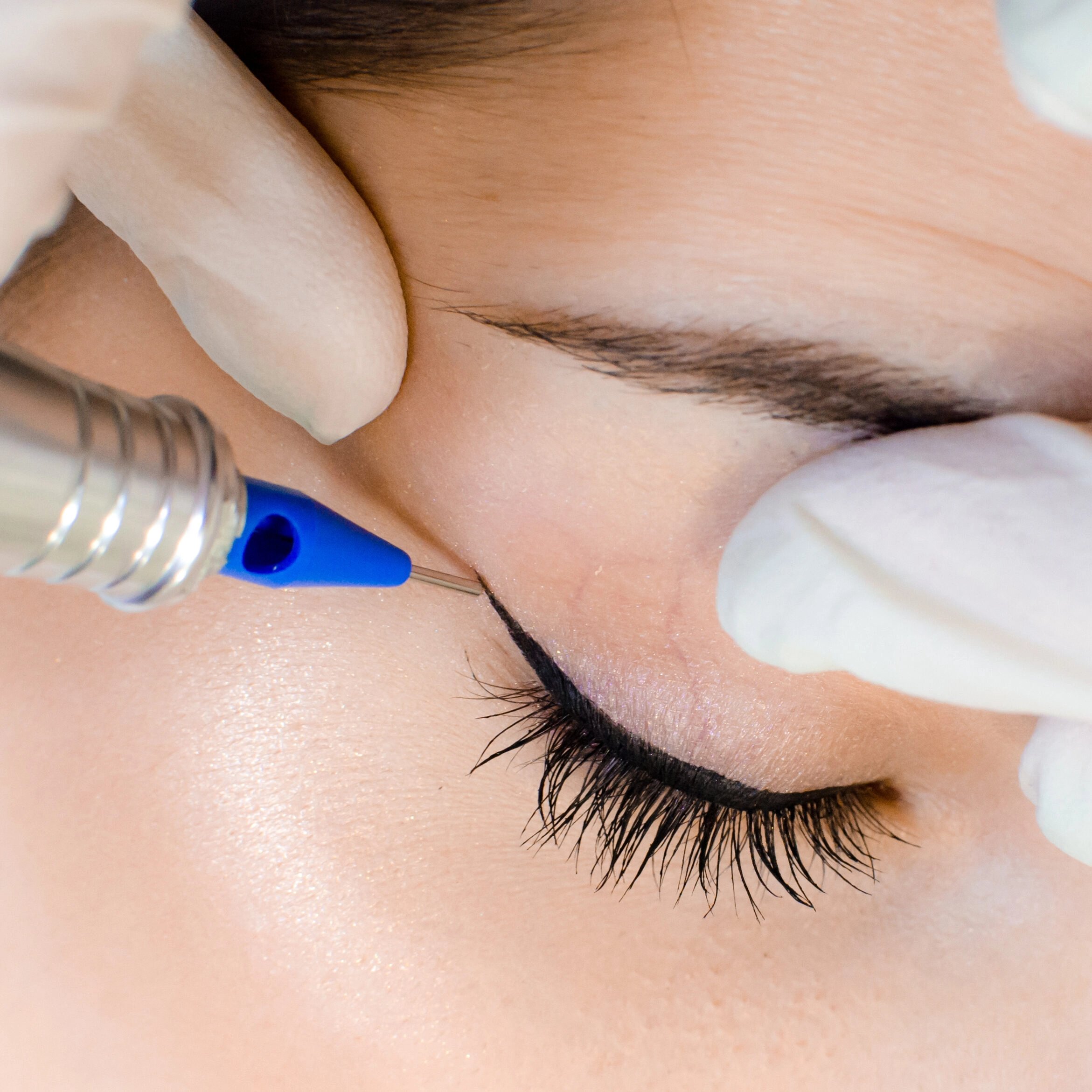
Once the shape gets a thumbs-up, the artist will apply a topical anesthetic and start the pigment application. Specialized PMU devices deposit pigment into the upper skin layers, and the technique varies with the service. Microblading uses fine strokes, machine shading gives a soft airbrushed look, and eyeliner or lip procedures use methods suited to the delicate skin in those areas.
People often wonder if permanent makeup hurts. Truth is, discomfort varies. Brows might feel like light scratching or pressure, eyeliner is generally more sensitive because it's close to the eye, and lips can feel tingly or vibrating. Most find it quite manageable, especially since numbing products are used throughout. If you're curious about which brow style might suit your skin and comfort level best, check out our guide on how skin type affects PMU results.
Why skill and sanitation matter
Here, the artist's skill is just as crucial as the technique. A careful hand creates cleaner strokes, better pigment retention, and a more comfortable experience. Equally important is sanitation. The studio should use clean tools, proper barrier protection, and strict hygiene protocols to minimize risk and support healing. For more on infection prevention and safe practices, the National Center for Biotechnology Information offers research-based medical resources on skin and wound care.
Remember, "permanent" makeup is more of a shorthand term. The result won't stay identical forever. Pigment fades over time due to skin renewal, sun exposure, skincare products, and lifestyle factors. This is normal and why periodic maintenance helps keep the results looking fresh.
4. Healing: What Happens After You Leave the Studio
The first 5 to 10 days
Healing is often misunderstood. Right after the procedure, the area might look darker, bolder, or more defined than expected. Swelling, tenderness, and slight redness are common during the first day or two, especially for lips and eyelids. Over the next several days, the surface skin may flake or lightly peel as the area begins to settle.
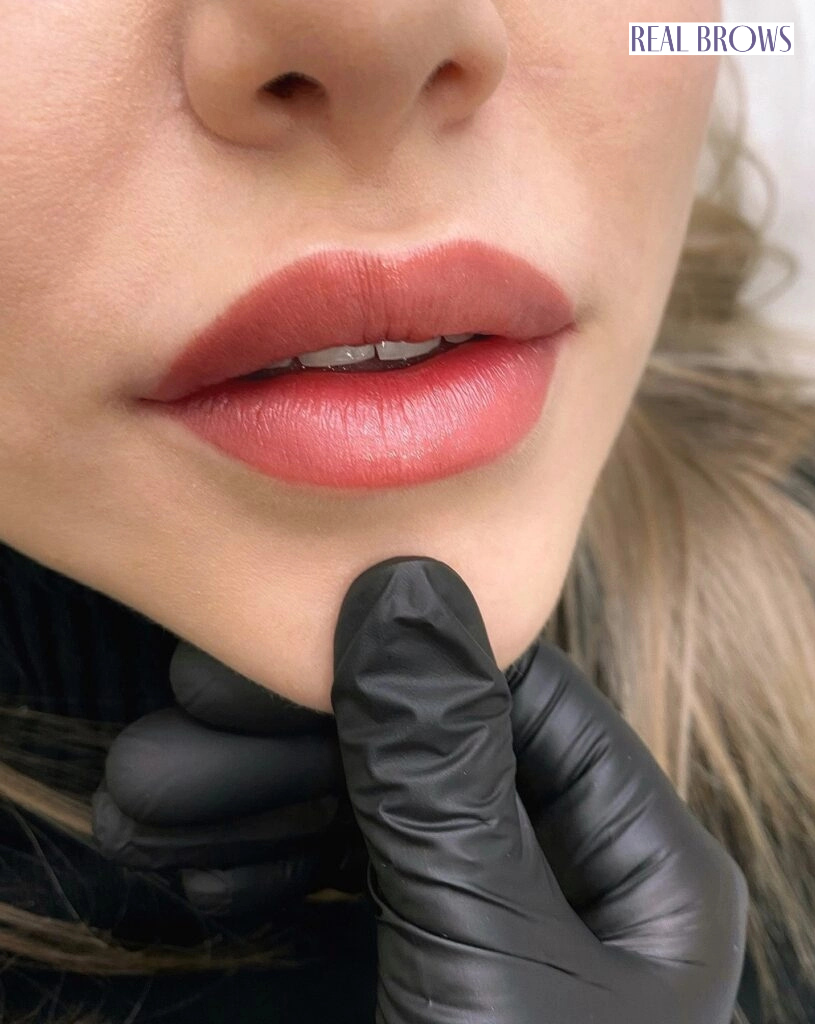
For brows, the color often appears strong at first and then softens as healing progresses. Lips may swell and look brighter than you imagined, then peel and seem patchy before smoothing out. Eyeliner usually heals into a softer, more natural finish than it appears on day one. Understanding these stages can help you avoid panic during the process. If you want more detailed aftercare reminders, our brow aftercare guide explains what to avoid while the skin is recovering.
What to expect over the next few weeks
After the first healing phase, the pigment continues to settle over several weeks. That’s why your final color and shape aren't fully visible immediately after the appointment. Many clients feel more confident around the three- to four-week mark once the skin has settled and the tone has softened into its true healed appearance. In fact, many artists advise waiting for full healing before judging the result or requesting changes.
The American Academy of Dermatology provides helpful information on skin care and wound healing, and its guidance can be a good reference if you want to better understand how skin responds to treatment. You can explore their educational content at AAD wound care guidance.
5. Touch-Ups and Long-Term Maintenance
Why follow-up sessions are so common
Most clients benefit from a touch-up session several weeks after the initial appointment. This follow-up allows the artist to refine shape, add saturation, and even out any areas that healed lighter than expected. Touch-ups are especially important because skin types, lifestyle habits, and aftercare compliance all affect retention. A touch-up is not a sign that the first session failed; rather, it is a normal part of the permanent makeup process.
Over the long term, many people choose a color boost every 12 to 36 months for brows and every 2 to 4 years for lip blush, although results can vary widely. Sun exposure, exfoliating skincare ingredients, and natural skin turnover all play a role in fading. If you are considering a longer-term brow strategy, compare the benefits of microblading with ombré powder or combo brows so you can choose a style that matches your maintenance preferences.
How to maintain the best results
Good maintenance starts with protection. Daily sunscreen use, gentle skincare, and avoiding harsh exfoliants near the treated area can help preserve color. Clients who take aftercare seriously often enjoy stronger retention and more even fading. This matters because 90 percent of PMU clients in recent industry data report using sun protection aftercare, which suggests that education is already making a meaningful difference in satisfaction and retention.
When needed, removal or correction may be part of the journey rather than the beginning or end of it. If you are correcting old work before starting fresh, non-laser tattoo removal can be discussed as a possible supporting service depending on your situation and goals.
6. Choosing the Right Service for Your First Appointment
Brows, lips, or eyeliner?
If this is your first permanent makeup experience, you may be wondering which service to start with. Brows are often the most popular choice because they frame the face and can simplify daily makeup routines dramatically. Lip blush is a favorite for people who want a soft wash of color and better lip definition without a lipstick-heavy look. Permanent eyeliner appeals to clients who want a consistently polished eye area without the hassle of daily liner application.
Each service has different sensations, healing timelines, and styling options. Brows tend to be the least sensitive during application, lips often involve the most visible swelling, and eyeliner requires extra care because of its proximity to the eye. If you want a subtle enhancement rather than a dramatic change, discuss conservative options with your artist during the consultation. You can also explore our dedicated service pages for lip blushing and permanent eyeliner to better understand what each procedure offers.
How trend data shapes client choices
Industry statistics show that many PMU clients are women between the ages of 25 and 34, and a large share say their primary motivation is saving time. That trend reflects the modern desire for beauty routines that are efficient, consistent, and long-lasting. In cities with diverse beauty cultures, such as Los Angeles, clients often want results that look refined but still natural enough for everyday life.
That is where professional guidance becomes essential. A trained artist can help you decide whether hair-like strokes, soft shading, or a blended technique will age best with your skin. If you are not sure which brow style suits your features, our blog on how brow mapping shapes your look and our guide to powder brows can help you compare options in more detail.
7. Aftercare Mistakes to Avoid
What can interfere with healing
Aftercare is where many great results are protected or lost. Touching the area with unwashed hands, picking at flakes, applying makeup too soon, soaking the skin, or exposing the area to direct sun can all interfere with pigment retention. Sweat, steam, swimming pools, saunas, and intense workouts may also cause problems during the first healing stage, especially if the skin has not fully closed.
Clients should also avoid skincare ingredients that can accelerate fading, including strong acids and retinoids near the treated area. Even if your healing feels smooth, it is still important to follow your artist’s instructions exactly. Our PMU aftercare page provides practical reminders for protecting the treated area while it heals.
How to support pigment retention
To support long-lasting results, keep the area clean and dry according to your artist’s directions, use any recommended ointment sparingly, and avoid rubbing or exfoliating. After the initial healing window, sunscreen becomes one of the most important habits for preserving color. Many people are surprised by how much sun exposure affects fading, but it is one of the biggest factors in long-term maintenance.
If you have a particularly active lifestyle, let your artist know during the consultation. That information may influence both the technique selected and the aftercare instructions you receive. The more your artist understands your routine, the better they can tailor the service to fit your life instead of asking your life to fit the service.
8. Frequently Asked Questions About a First PMU Appointment
How long does the appointment take?
Most first appointments take longer than touch-ups because consultation, design, mapping, and numbing all take time. Depending on the service, expect the total visit to last a few hours. Brows may be quicker than lips or eyeliner, but each appointment should still allow enough time for careful design and client approval.
Will I look overdone right away?
Usually, yes, at least for a short time. Fresh permanent makeup often looks darker and sharper than the final healed result because pigment softens as the skin recovers. This is one reason it is important not to panic after day one. The healed look is what matters, not the immediate post-procedure appearance.
Is permanent makeup really permanent?
Not exactly. Semi-permanent is the more accurate term because the pigment fades gradually over time. The word “permanent” simply means the pigment is implanted into the skin rather than sitting on the surface like traditional cosmetics. Maintenance sessions keep the color looking fresh and the shape looking refined.
How do I know if I’m a good candidate?
Most healthy adults can be candidates, but the best way to know is through a consultation with a qualified artist. Factors such as skin condition, medications, allergies, and previous procedures can influence whether a service is appropriate or whether another option would be safer. When in doubt, bring your questions and full medical history so your artist can make a responsible recommendation.
9. Final Thoughts: Enter Your First Appointment With Confidence
Your first permanent makeup appointment should feel like a well-guided experience, not a leap into the unknown. When you understand the consultation, design process, application, healing, and maintenance, you can make decisions with confidence and avoid unrealistic expectations. The best results come from clear communication, skilled artistry, proper aftercare, and a plan that fits your features and lifestyle.
At Real Brows Microblading & Permanent Makeup, our goal is to help every client feel informed, cared for, and excited about the journey ahead. Whether you are interested in brows, lips, eyeliner, or a correction service, we are committed to high standards, professional education, and a clean, supportive environment. If you are ready to explore your options, review our service pages, read our care instructions, and take the next step toward results that feel polished and natural.
To get started, call (323) 784-0188, email info@realbrows.com, or visit us at 705 S Olive St, Suite B, Los Angeles, CA 90014, USA. For more information about our studio and services, explore Real Brows Microblading & Permanent Makeup and book your consultation with confidence.