How Long Does Lip Blush Last? A Guide to Longevity and What Affects It
Lip blush is all the rage for those wanting easy, natural color without the daily hassle of lipstick. If you're thinking about it, you're probably wondering: how long does it stick around? Generally, you can expect it to last one to three years. But it really depends on a few things, like your skin type, sun habits, lifestyle, pigment quality, and how well you take care of it after.
At Real Brows Microblading & Permanent Makeup, we get it. You want to know what to expect before you dive into a new beauty treatment like lip blushing, microblading, or permanent eyeliner. Knowing how these semi-permanent options change over time can help you make the best choice. Plus, you'll learn how to keep your look fresh for longer.
According to the U.S. Food and Drug Administration, cosmetic tattooing involves placing pigments into the skin, which makes the technique and aftercare super important. Check out the FDA’s advice on cosmetic pigments for more on safety. The bottom line? The better the application and aftercare, the longer your color lasts.
What Is Lip Blush and Why Does It Fade?
A Soft Touch, Not a Bold Statement
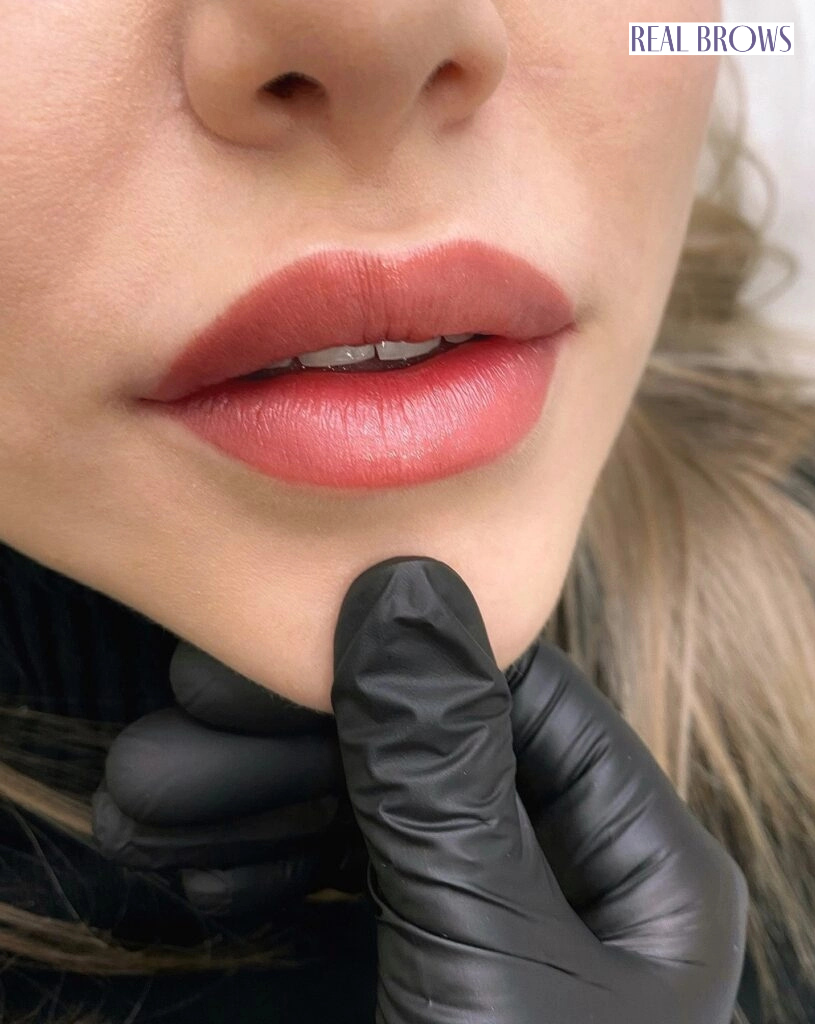
Lip blush is a semi-permanent makeup method that gently adds color to your lips, improves symmetry, and gives you a healthier look. Unlike the old-school lip tattoos, today's lip blush aims for a natural tint, not bold color. That’s why it's so popular in the beauty world.
Because it's meant to be subtle, lip blush fades over time. The pigment sits in the upper layers of your skin, and your body gradually breaks it down. This is normal. Most people like that it's not permanent, so they can tweak their color during touch-ups instead of being stuck with a dated look.
Why Semi-Permanent Makeup Changes Over Time
Things like cell turnover, sun exposure, skincare habits, and lifestyle choices all play a role in how quickly the color fades. Your lips are always on the move—eating, talking, drinking—so they don't hold pigment the same way your brows or eyeliner might. Curious about how other treatments age? Check out our PMU aftercare guide and our post on what lip blush is all about.
The American Academy of Dermatology mentions that sun exposure is a big reason for pigment fading in treatments like tattoos. They suggest regular sun protection if you want your lip blush to stay vibrant. Learn more about sun safety with the AAD’s recommendations.
Average Lip Blush Longevity: What to Expect
Lasting One to Three Years
Most folks find that lip blush sticks around for one to three years before needing a touch-up. Some people see it last up to four years, especially if they follow aftercare, avoid too much sun, and have skin that holds pigment well. Others like a refresh every 12 to 18 months to keep things looking sharp.
This range is normal because everyone’s skin is different. While one person might only need occasional maintenance, another might see fading sooner. That's why it's good to chat about your expectations before starting the treatment.
Why Some Choose Earlier Touch-Ups
Some people opt for touch-ups before the color completely fades because they like the results to stay fresh. Plus, maintenance can help adjust the color if it heals lighter than expected. If you love looking polished with minimal effort, this kind of upkeep is totally worth it.
Thinking about getting lip blush? Check out our pre-care instructions to get ready for a smooth appointment and great results. Preparation helps the pigment settle better, leading to longer-lasting color.
Skin Type and Lip Blush Retention
Oily Skin Might Fade Faster
Your skin type is a big factor in how long lip blush lasts. If you have oily skin, you might notice faster fading because extra oil can mess with pigment retention. This is often talked about with brows, but it can affect lips, too. If your skin heals fast and sheds pigment quickly, you might need a refresh sooner.
Dry or normal skin might hold onto pigment better, but results still vary. Lip tissue is unique, and outcomes depend on skin characteristics and healing. That's why experienced artists look at the whole picture, not just one factor.
Mature and Sensitive Skin React Differently
If you have mature skin, it might retain pigment differently because of its texture and healing rate. Sensitive skin might need a gentler approach to avoid irritation. The best results come from a technique tailored to your needs and realistic expectations. Got questions? Our article on how your skin type affects makeup results might help.
Personalized technique matters as much as your skin type. For example, if you're a good fit for services like nano brows or ombré powder, your lip blush strategy might need adjusting for your lips' condition and history. A professional consultation can match the method to you instead of using a one-size-fits-all approach.
Lifestyle Habits That Can Shorten Longevity
Sun Exposure and Outdoor Activity
One big reason lip blush fades faster is too much sun. UV rays break down pigments over time, dulling the color. If you’re active, spend lots of time outdoors, or often visit sunny places, you might need touch-ups sooner than someone who stays out of the sun.
But don't worry, you don't have to avoid the sun completely. Just be smart about it. Use lip-safe sun protection, wear hats, and limit unnecessary exposure. Research from the National Institutes of Health supports that UV exposure speeds up pigment change, so daily protection is a good way to keep your results.
Smoking, Hydration, and Other Habits
Smoking can also affect how long lip blush lasts by impacting circulation and causing faster fading. Sipping through straws, lip biting, and frequent exfoliation can reduce retention over time, too. Even small habits can add up.
Staying hydrated helps. Well-moisturized lips tend to heal better, and following aftercare instructions usually means better color retention. That’s why our team supports you at every stage. Semi-permanent makeup is a team effort between the artist and you.
Medications and Health Factors
Some medications and health conditions can affect how your body holds pigment. Blood thinners, immune issues, and certain skin conditions can change healing or retention. These aren't deal-breakers, but make sure to share your health info during the consultation.
If you're unsure about a treatment, a licensed pro can guide you. The goal isn't to push you into a service; it's to help you choose the best option for your skin and lifestyle. If you're looking beyond lips, consider services like combo brows or permanent eyeliner as part of your beauty plan.
Technique, Pigment Quality, and Artist Skill
Why Application Depth Matters
Technique is a big deal for how long lip blush lasts. If pigment is too shallow, it might fade fast or heal unevenly. Too deep, and the color can blur or look less refined. Getting the depth right is key because lip skin is delicate.
Experienced artists use training and precision to balance softness and durability. The goal is a clean look that fades gradually. That's why picking a skilled provider is as important as picking the right shade.
High-Quality Pigments Fade Gracefully
Good pigments make a difference, too. They fade more evenly and keep a natural tone as they lighten. Poor-quality pigments might change color unattractively or lose vibrancy quickly. That's why reputable studios invest in products that ensure safety and consistency.
Experts say pigments should match your natural lip tone. A color that's too cool, warm, or saturated might not age well. Curious about how other PMU results are affected by the technique? Check out our guide to powder brows for insights.
Why Artistry Affects Lifespan
Trained artists consider your lip shape, natural color, past procedures, and how much pigment your skin can hold. The goal isn't to pile on color, but to create a refined result that ages well. When the technique is balanced, lips usually fade softly, not patchily.
That's why clients value studios that prioritize education and safety. At Real Brows Microblading & Permanent Makeup, we focus on professionalism and clear expectations from start to finish. Clients appreciate knowing what to expect during healing and how long results might last.
Aftercare Tips That Help Lip Blush Last Longer
Follow Healing Instructions Carefully
Aftercare is crucial, yet often underestimated. In the first days after treatment, your lips go through a healing process that affects pigment retention. Following your artist’s instructions can make a big difference in how long your color lasts.
Typical advice includes keeping the area clean, using recommended ointments, avoiding picking or rubbing, and steering clear of harsh products until healed. Now's not the time to experiment with exfoliants or strong acids.
Avoid Heat, Sweating, and Overexposure
Too much heat, sweating, and water exposure can disrupt healing. So maybe skip hot yoga, steam rooms, intense workouts, and long sun sessions during recovery. The more you protect the area early on, the better your pigment will settle.
For more on healing support, visit our PMU aftercare page. If you've had brow work done, our article on brow aftercare tips might be useful since many principles apply to all PMU treatments.
Keep Lips Moisturized and Protected
Staying hydrated supports healing, and moisturized lips heal better. Once your artist gives the green light, use approved balm or ointment to prevent dryness. Dry, cracked lips can mess with color retention, leading to patchiness.
Long-term care matters too. After healing, keep protecting your lips from the sun and avoid harsh exfoliation to enjoy longer-lasting results. Simple, consistent habits make a big difference.
Real-World Example: What Long-Lasting Lip Blush Can Look Like
A Natural Look Beyond Initial Healing
Real-world examples help make sense of lip blush longevity. Marie Claire shared a story from Karen Betts Clinics about a client with pale, dry lips who got lip blush. After two sessions, she had a natural pink hue that lasted over two months, looking softer and more even than before. While that's not multi-year retention, it shows how the treatment can make a big difference and cut down on daily makeup needs.
Over time, many clients find their color stays noticeable for one to three years before opting for a refresh. The shade might soften, but the lips still look more defined and even. This gradual fading is ideal for future tweaks in color, shape, or intensity.
How to Set Realistic Expectations
Think of lip blush as a long-lasting enhancement, not a permanent paint job. It's meant to age gracefully, so your artist should explain how the initial color softens, how touch-ups work, and what's realistic for your skin type and lifestyle. Good communication helps you feel confident from the start.
If you're exploring options, lip blush is gaining popularity in the beauty trend towards low-maintenance, natural looks. Many people in Los Angeles love how it fits busy lives while keeping them looking polished, which is why semi-permanent makeup is on the rise.
How Lip Blush Compares to Other Options
Lip Blush vs. Lip Fillers
People often compare lip blush to lip fillers, but they're different. Lip fillers add volume and shape, while lip blush improves color and definition. Some choose one, others use both for a complete look.
Lip blush focuses on color, not volume, so it's great if you want a subtle result. Unsure which is right for you? A consultation can help you decide if you want a color boost, a structural change, or a bit of both.
How Lip Blush Fits into a Low-Maintenance Routine
One of the best perks of lip blush is that it simplifies your daily routine. Many people find they use less lip liner, lipstick, and corrective makeup after getting it. This convenience is why it's so popular with those looking to save time but still look polished.
If you're considering a coordinated semi-permanent routine, think about adding lips, brows, and eyeliner. Explore services like brow correction or check out our PMU content to see how each service contributes to your overall look.
When to Schedule a Touch-Up and What to Watch For
Signs It's Time to Refresh
Consider a touch-up when your lips start looking lighter, uneven, or less defined than you'd like. If you're reaching for lipstick every day again, it might be time for a refresh. Many choose to touch up before the pigment is completely gone to keep things consistent.
Touch-ups also let you make tweaks. You could deepen the shade, fix a faded spot, or adjust the shape slightly. This flexibility is part of why lip blush is a great long-term choice.
How a Consultation Helps You Plan
Before booking, review your past healing experience and current goals. A pro can tell you if you need a small refresh or a full color rebuild. Honest consultations prevent disappointment and help you understand the best timeline for maintenance.
If you're ready for the next step, explore our service details, pre-care tips, and aftercare guidance before booking. Planning can make the process smoother and help your lip blush last longer. If you want more than just lip service, options like non-laser tattoo removal can be part of a long-term plan if you need to address old pigment first.
FAQ: Common Questions About Lip Blush Longevity
Does Lip Blush Hurt?
Most people feel mild to moderate discomfort, not severe pain. Numbing agents are used to keep things manageable. Sensitivity varies, but the procedure is usually tolerable.
Can Lip Blush Be Removed?
Yes, but since it's semi-permanent, removal isn't instant. Laser or other methods might be needed, and several sessions could be required. Unsure about your existing pigment? Talk to a trained pro before deciding.
Is Lip Blush Safe?
When done by a licensed pro in a clean environment with proper aftercare, the risk is low. Safety concerns come from poor technique, unclean tools, or ignoring healing instructions. That's why choosing a reputable studio is key.
How Can I Make My Results Last Longer?
Simple habits are key: follow aftercare, avoid too much sun, keep lips hydrated, and lead a healthy lifestyle. Quality pigment and expert application also matter. Small choices add up over time.
Final Thoughts: Getting the Most from Your Lip Blush
Lip blush is a fantastic option for those wanting natural color with less daily fuss. It usually lasts one to three years, but this varies based on skin type, sun habits, lifestyle, technique, and aftercare. Some need a touch-up sooner; others enjoy their results for years.
The best results come from thoughtful planning and expert work. Choosing a skilled artist, following care instructions, and protecting your lips from fading factors give your color the best chance to last. Education matters as much as the treatment itself.
Ready to learn more about lip blush? Real Brows Microblading & Permanent Makeup is here to help with professionalism, realistic expectations, and quality. Explore our lip blushing service, check our pre-care instructions, or contact us to chat about your goals. Call (323) 784-0188 or visit us at 705 S Olive St, Suite B, Los Angeles, CA 90014, USA to get started on a polished, natural look that lasts.