How Your Skin Type Can Enhance or Hinder Permanent Makeup Results
Getting permanent makeup can really save you time on your beauty routine, but did you know that the type of skin you have plays a big part in how your makeup turns out? It affects everything from how the color sets to how long it lasts. So, before you jump in, make sure to chat with a pro. They'll assess your skin type and help you choose the best service, like microblading or lip blushing. After all, understanding your skin can make all the difference!
At Real Brows Microblading & Permanent Makeup, we think the best results start with knowing what to expect and picking the right technique for your skin type. Whether you’re new to this or looking to update your look, knowing if you have oily, dry, sensitive, or mature skin helps you make smarter choices. Check out our PMU pre-care instructions and aftercare guidance to ensure everything heals just right from the beginning.
If you want to dive deeper into the safety of permanent makeup and cosmetic procedures, the FDA offers helpful info on pigments, tattoos, and safety. Let’s dig into how your skin can affect your permanent makeup results.
Why Your Skin Type Matters
How Skin Influences Pigment Retention
Permanent makeup is all about embedding pigment into the upper layers of your skin. So naturally, the skin type you have determines how well the color stays in place. Oily skin might push the pigment out faster, making your look fade quicker. Meanwhile, dry skin could hold onto the pigment better but might also get flaky or irritated if not cared for properly.
That’s why artists think about more than just color or shape. They consider your skin's texture, pore size, oil production, and sensitivity to decide how everything will look once it heals. What works for one person might need tweaking for another, especially if you want those natural-looking brows, eyeliner, or lips to last.
The Importance of a Good Consultation
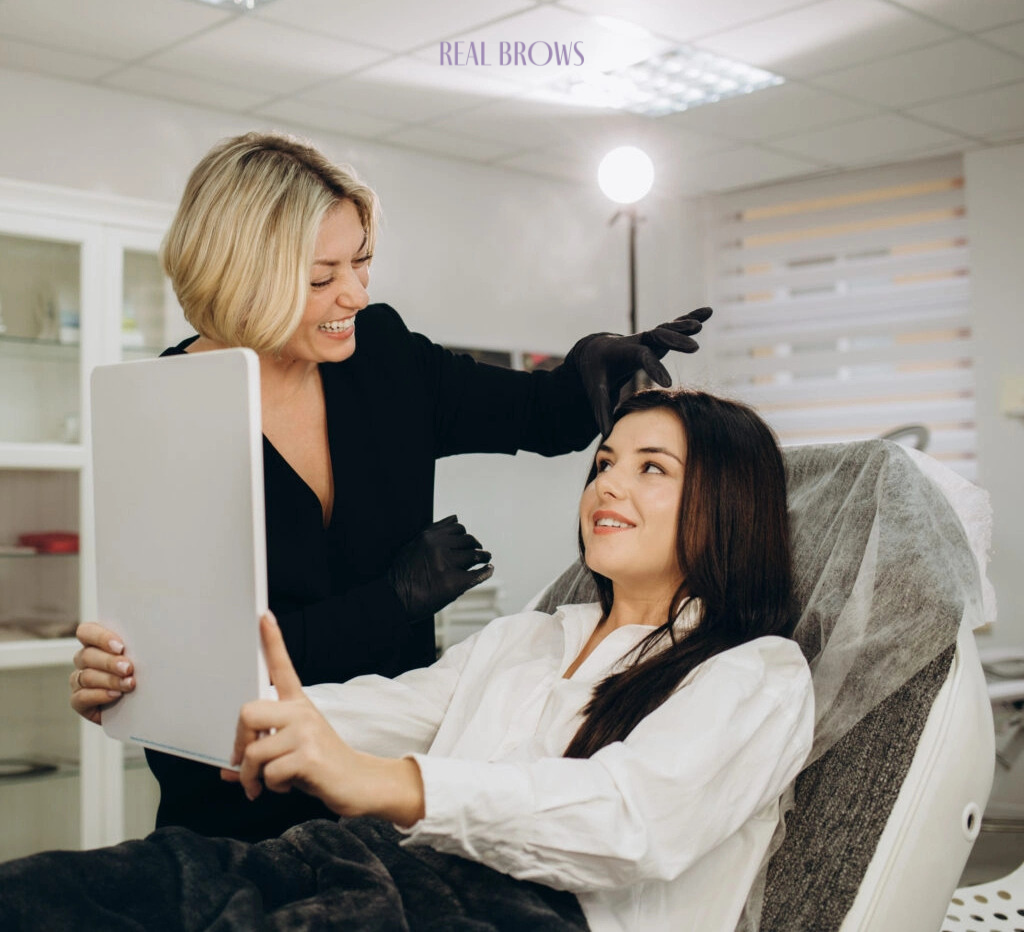
During a consultation, your artist will check out your skin type, lifestyle, past cosmetic work, and what you’re aiming for in the long run. All these factors can influence not just the look but also the healing time and how often you'll need touch-ups. Sometimes, they'll suggest styles like ombré powder brows or combo brows if microblading isn’t the best fit.
For tips on how skin health affects cosmetic outcomes, the American Academy of Dermatology offers guidance on skin care and healing. Healthy skin not only looks great but also heals more predictably, which is why pre-care and honest evaluation are key.
Dealing with Oily Skin
Why Oily Skin Blurs the Details
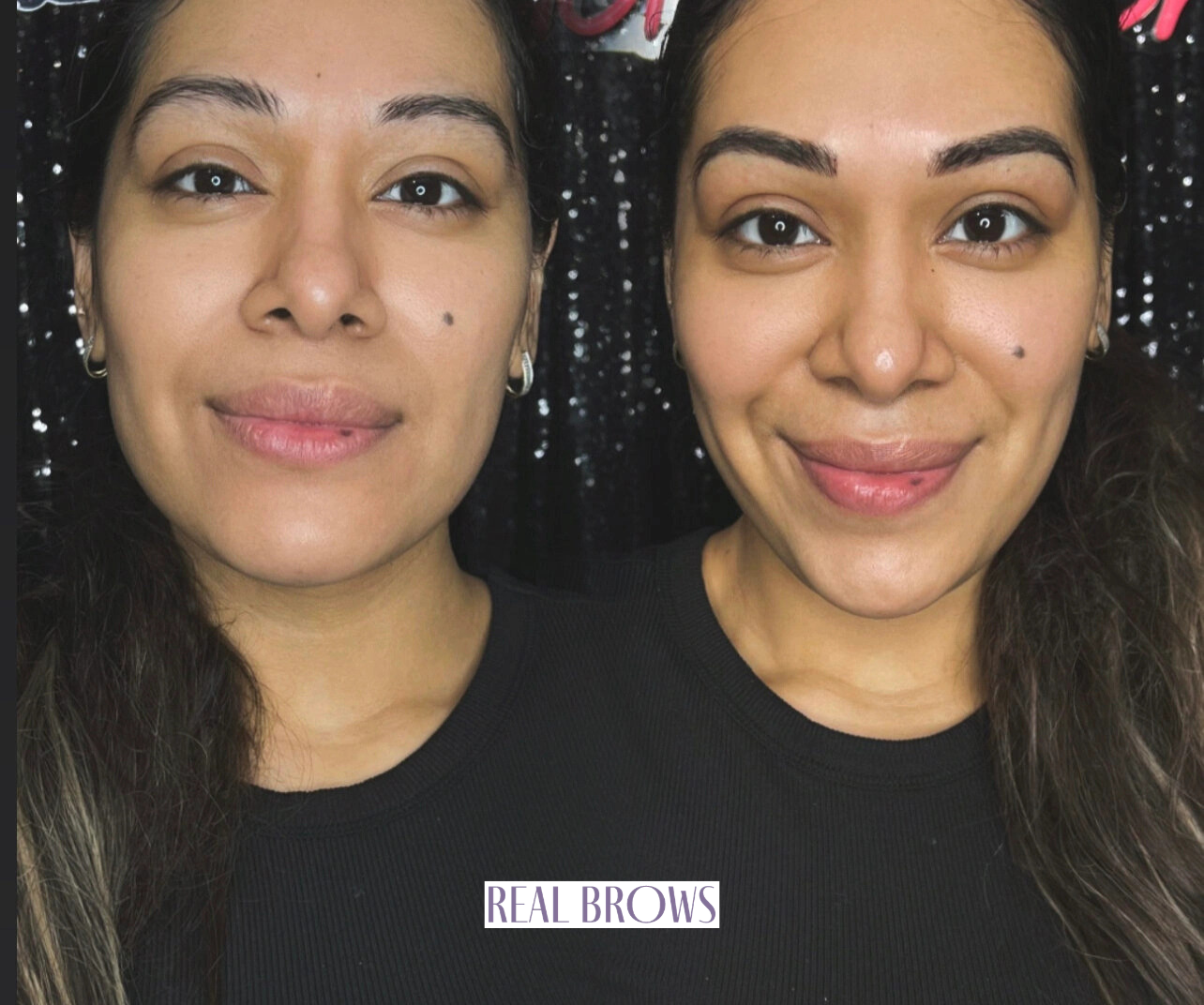
If you have oily skin, you might notice your permanent makeup fades faster and doesn’t look as sharp. The natural oils can make those fine hair strokes less defined, which is why some artists prefer not to use traditional microblading for oily skin. Instead, they might suggest machine-based shading or a denser brow style that suits your skin better.
In brow work, oilier skin can blur the details over time, especially if the strokes are very fine. But don’t worry, PMU can still work wonders for oily skin; it just requires the right technique. When the method matches your skin type, you can expect cleaner results and fewer surprises.
Best Techniques for Oily Skin
Artists often recommend powder brows or soft shading techniques for oily skin because they heal more evenly. If you’re thinking about getting your brows done and know you have oily skin, consider discussing nano brows. This method uses a finer machine that can be adapted to your specific needs. Of course, your artist's advice is crucial after they see your skin in person.
Generally, oily skin might need more frequent touch-ups because the oil can break down the pigment. But don’t see this as a setback; it’s just part of maintaining your look. Planning for maintenance and choosing a technique designed for longer-lasting results is the way to go.
A Real-World Example
Imagine a client who wants hyper-realistic brow strokes but has very oily skin, especially in the T-zone. If the artist sticks to traditional microblading, the strokes might end up looking more blurred than expected. A combo brow approach might be a better choice, adding shading to build depth and definition despite the oil.
This client could also benefit from a stronger aftercare routine and a realistic maintenance plan. When you consider oily skin from the start, you can still achieve a balanced and polished outcome. Often, the difference between disappointing and great PMU results lies not in the skin type but in how well the technique matches it.
Dry Skin and Its Perks and Downsides
Why Dry Skin Holds Pigment Well
Dry skin usually offers a stable surface for pigment because there’s less oil to interfere. This means you might enjoy longer-lasting definition and clearer strokes in some PMU styles. It’s particularly useful for brow services aiming for a sharp, refined look.
Still, dry skin can be a bit more delicate during healing. It may flake, itch, or get irritated more easily, potentially affecting the results. If your skin is very dry before treatment, artists might adjust their pre-care tips to help improve flexibility and reduce irritation.
Helping Dry Skin Heal
For those with dry skin, gentle hydration and strict aftercare can work wonders. Keeping the area moisturized, avoiding harsh cleansers, and staying out of the sun can all help the color settle evenly. This is crucial for treatments like permanent eyeliner, where the skin around the eye is thin and sensitive.
Professionals usually advise against using strong exfoliants before and after treatment. Dry skin can react more if it’s been stripped by harsh products. Following your artist’s guidelines can make a big difference in how comfortable you are during healing and how your PMU looks in the end.
Case Study: Dry Skin's Longevity
A client with dry skin might have a longer healing period, but the payoff is excellent pigment retention. For example, a soft brow shading technique might heal smoothly and keep its shape for a long time with minimal fading. This client might need fewer refresh appointments than someone with oilier skin, as long as they protect the area from the sun and follow good aftercare.
This is why artists often say dry skin is a good candidate for certain PMU services. The key is balance; too much dryness can irritate, while well-prepared skin gives the pigment the best chance to heal beautifully over time.
Sensitive and Mature Skin: Gentle Techniques Work Best
What Sensitive Skin Needs
If you have sensitive skin, you might react more to numbing products, friction, or repeated needle passes. That means your artist might use a gentler technique, fewer passes, and carefully choose pigments. Be upfront about any allergies, rosacea, eczema, recent peels, or past reactions.
Sensitive skin can get inflamed quickly, so your artist will work with precision and restraint. The goal is to create definition without causing trauma. This is where an experienced PMU professional really shines, as they know how to adjust pressure and protect your skin during treatment.
Mature Skin Needs Special Attention
Mature skin often has a thinner texture, less elasticity, and more fine lines, affecting how crisp results appear. Gentle placement and softer styles usually give more flattering results than highly detailed techniques. For brows, a shading or blended method might look more natural than strict hair-stroke designs.
Because mature skin heals differently, artists often recommend a conservative design and a detailed discussion of expectations. Subtle enhancements tend to look more elegant and age better than bold styles, whether for brows, lips, or eyeliner.
Why Professional Judgment is Crucial
Not every skin type is right for every technique, but that doesn’t mean you can't get PMU. It just needs to be customized thoughtfully. If you’re unsure about your skin’s suitability, booking a consultation for brow correction or a full PMU assessment can help prevent disappointment later.
Many practitioners also follow safety guidance from organizations like OSHA. A clean environment and proper technique are just as important as artistic skill, especially for sensitive or mature skin.
Choosing the Right Technique for Your Skin
Microblading vs. Machine Shading
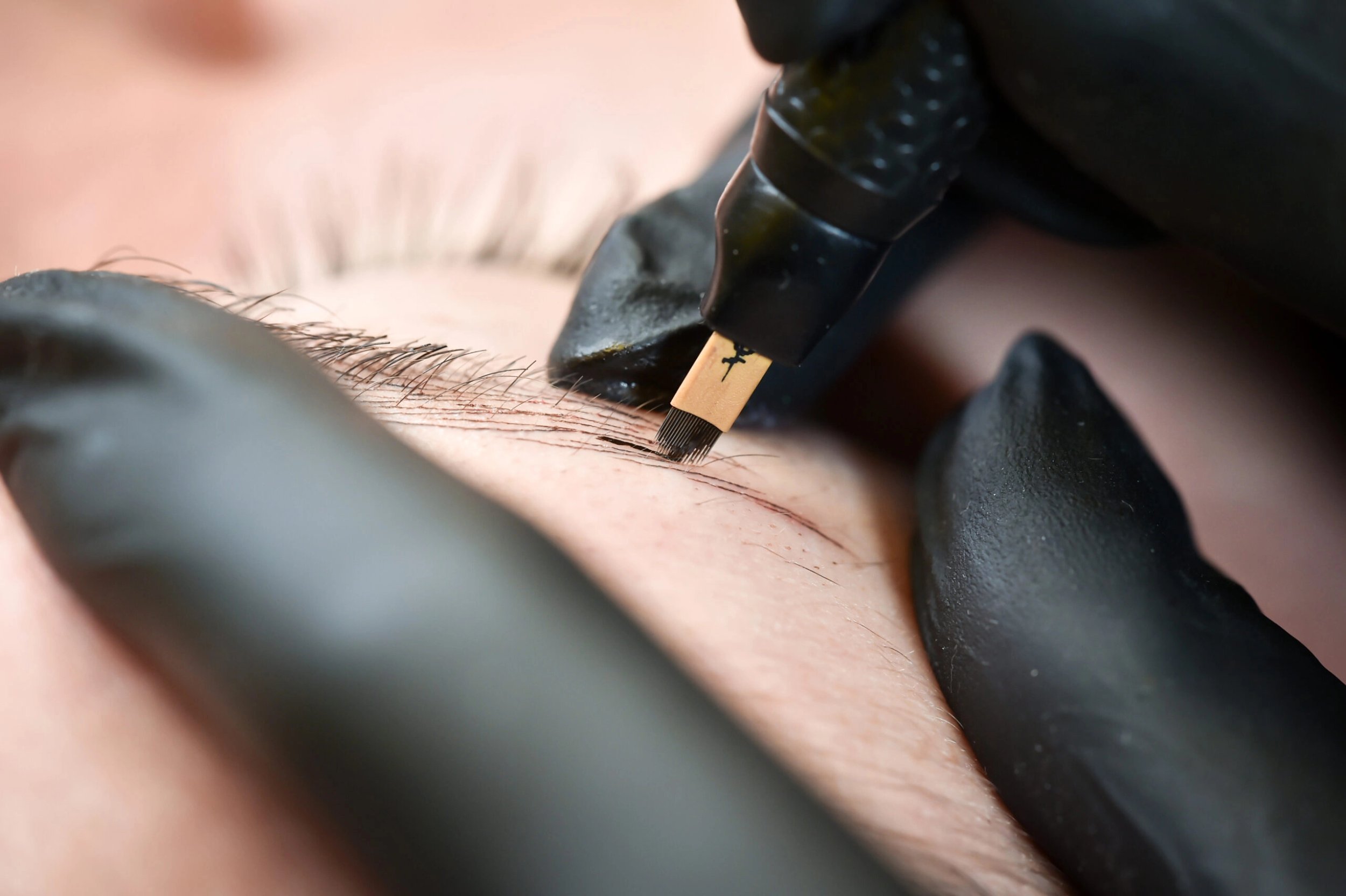
Microblading uses fine strokes to mimic eyebrow hairs, but it’s not always the best choice for every skin type. Oily or highly textured skin might heal better with machine shading, where pigment placement is more controlled. This is why many opt for combo brows when they want both realism and durability.
Machine shading also lets artists control the density of the healed result. This is handy when aiming for a fuller, powdery effect that still looks natural. The best technique is the one that suits your skin and offers predictable outcomes.
Lip Blushing and Skin Considerations
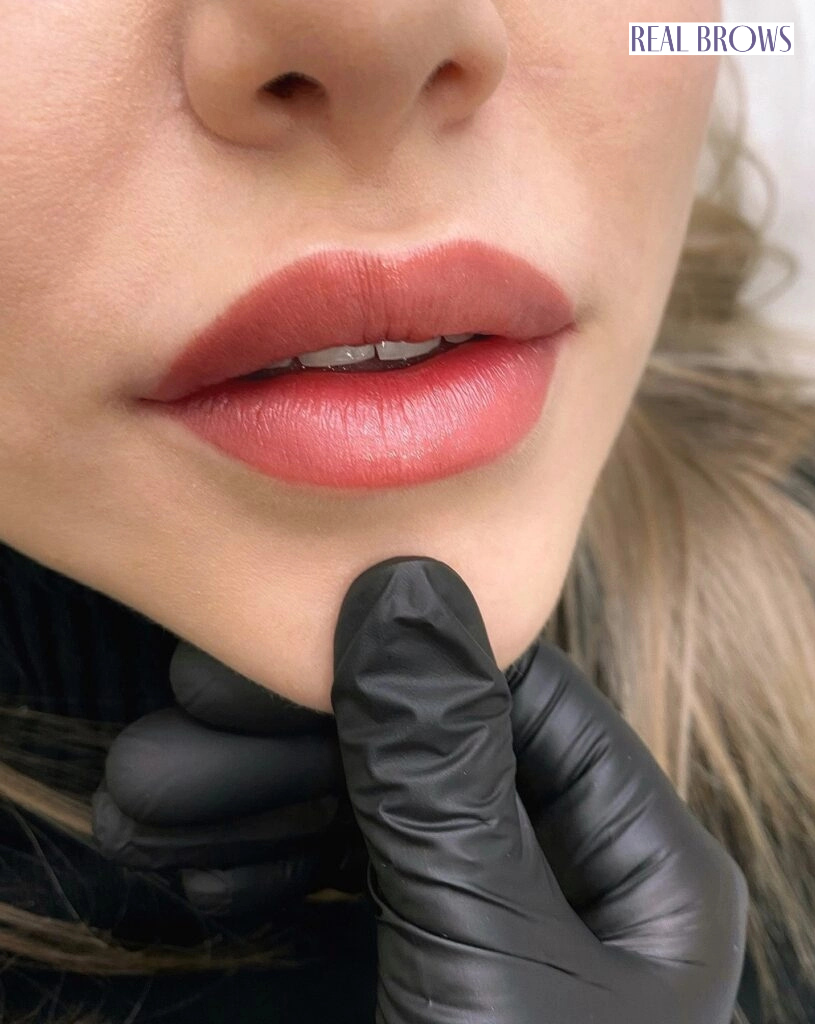
Lip blush results can vary depending on your skin condition. Dry lips might need more conditioning before treatment, while very sensitive lips require extra care to avoid overworking the tissue. Since lip skin is delicate, a proper evaluation is essential before moving forward with any color-enhancing treatment.
If you’re exploring lip enhancement, our lip blushing service can create a soft, natural tint that complements your complexion. A good consultation helps determine whether a sheer wash of color or more visible definition suits your skin type and goals.
Defining Eyes with Permanent Eyeliner
Permanent eyeliner can give you subtle definition without daily effort. But remember, the eyelid area is thin and delicate, so sensitivity matters. If you have delicate or reactive skin, ask about the artist’s technique, numbing approach, and healing expectations.
For refined eye definition, our permanent eyeliner service is designed to create polished, long-lasting results. A skilled artist tailors placement and density to suit your skin and comfort level, rather than sticking to one style for everyone.
Healing, Aftercare, and Keeping Your Look Fresh
How Skin Type Affects Healing
Everyone heals differently with PMU because skin type affects the body's response. Oily skin might heal quickly on the surface, but the pigment can soften over time. Dry skin might scab or flake more, but it retains color well once it's fully healed.
That’s why it's important to follow professional aftercare instead of relying on social media tips. A tailored plan helps preserve color, reduce irritation, and support a more even final result. Check our PMU aftercare page for guidance that fits professional treatments.
Sun Exposure, Skincare, and Fading
Sun exposure is a big factor in long-term fading. UV rays can break down pigment and alter your healed PMU look, especially on brows and lips. If you spend a lot of time outside, use sunscreen and physical protection. The NCI offers sun protection resources to check out.
Skincare products also matter. Strong acids, exfoliants, and retinoids can speed up fading or irritate healing skin. Even with expert treatment, poor aftercare can shorten the life of your results. That's why maintaining your look is a team effort between you and your artist.
Planning Touch-Ups for Different Skin Types
If you have oily skin, you might need earlier touch-ups, while dry skin clients might enjoy longer retention. Sensitive skin might need a slower approach to healing and follow-up, especially if the artist works conservatively in the first session. Mature skin also benefits from custom spacing between appointments.
To keep your look fresh and balanced, consider a technique that’s easy to refresh over time. Brows are a good example: a style that heals cleanly and fades gracefully is often better than one that starts sharp but becomes blurred. Remember, maintenance is part of the PMU journey.
Current Trends in Skin-Specific Permanent Makeup
More Personalized Pigment Selection
Today’s PMU trends focus on customization. Artists are more thoughtful about undertones, skin texture, and how pigment might heal. This is crucial in brows and lips, where the wrong shade can look off once healed. Publications like Marie Claire highlight the demand for personalized treatment over cookie-cutter results. People want subtle, believable enhancements, not obvious tattoos. That requires artists to be both technically skilled and strategic in color choices.
Techniques for Longevity
Professionals are leaning towards techniques that offer soft, stable results across different skin types. Powder brows, hybrid styles, and machine-based methods are popular because they adapt well to oily, dry, or mature skin. This flexibility helps artists create more predictable outcomes.
More artists now educate clients before treatment for clearer expectations. This transparency improves satisfaction and reduces the chance of mismatches between desired and actual results. It also shows the value of choosing a studio that values education, not just speed.
Finding the Right PMU for Your Skin
Questions to Ask During Your Consultation
Before booking, ask how your skin type affects the recommended technique, how often touch-ups might be needed, and what kind of result you should expect. A reputable artist explains why a certain method is better for your skin type. Also, ask how they adjust pigment selection for undertone and fading patterns.
If you’re interested in brows, ask if traditional microblading, shading, or a combo works best. If considering correction work, discuss whether non-laser tattoo removal is needed first to create a better foundation. The goal is not just to get PMU, but to get PMU that heals well and enhances your features.
Realistic Expectations Are Key
Permanent makeup is powerful, but nature still plays a role. Skin type, lifestyle, skincare habits, and sun exposure all influence the final result. Clients who understand this from the start are usually happier because they know what level of softness, retention, and maintenance to expect.
At Real Brows Microblading & Permanent Makeup, we help clients set these expectations early. We want your treatment to look amazing, not just on day one, but after it heals, too. That approach is the difference between a temporary wow moment and a lasting look that fits your face.
Your FAQs About Skin and Permanent Makeup
Can I Get PMU If I Have Oily Skin?
Yes, you can! Oily skin just needs a thoughtful technique and often benefits from shading or hybrid methods that heal more cleanly. A skilled artist will guide you to the style that will last best for you.
Does Dry Skin Mean Better Results?
Not automatically, but dry skin can retain pigment well. The trade-off is needing more hydration and gentler aftercare to avoid irritation. Good results depend on both skin condition and proper healing support.
How Do I Know Which PMU Service Is Right for Me?
The best service depends on your skin type, goals, and maintenance preferences. If you want soft, fuller brows, ombré powder might suit you better. For hair-like detail, consider nano brows. A consultation is the best way to narrow down your options.
Wrap-Up: Better PMU Starts with a Good Skin Strategy
Skin type plays a big role in how successful your permanent makeup will be. Oily skin might blur or fade faster, dry skin might hold color well but need gentle care, and sensitive or mature skin might need a softer touch. When artists adjust to these differences, clients are more likely to love their results.
If you’re thinking about PMU, choose a provider who evaluates skin carefully, explains the healing process clearly, and recommends a method that truly fits your needs. Explore our services, review our care instructions, and learn about options that might work best for you. Start your journey with a team that values education, safety, and realistic results. Visit Real Brows Microblading & Permanent Makeup or book a consultation to discuss the best plan for your skin type.
Whether you're interested in brows, lips, eyeliner, or correction work, the right approach makes all the difference. Your skin is unique, and your PMU should be, too.